
Exterior to Interior How Top Contractors Transform Every Corner of Your House
A home is more than just four walls and a roof; it is a sanctuary, a reflection of personal style, and one of the most significant financial investments most people will ever make. Over time, exposure to the elements on the outside and daily wear and tear on the inside can leave even the most beautifully designed properties looking tired, outdated, or worn down. Transforming a house into a modern, highly functional home requires a cohesive strategy that bridges the gap between exterior protection and interior comfort.
When embarking on a complete home transformation, professional contractors look at the property as an interconnected ecosystem. Improvements made to the outside set the stage for curb appeal, structural longevity, and outdoor living, while interior renovations enhance daily convenience, aesthetic elegance, and comfort. Here is a comprehensive guide to how top renovation experts approach every stage of transforming a property from the outside in.
1. Preparing the Worksite for Efficient Whole-House Transformations

Before a single nail is hammered or a paintbrush is dipped, high-performing renovation crews focus heavily on site preparation and waste management logistics. Whole-house remodeling creates a substantial amount of debris, from torn-out drywall and old roofing shingles to shattered tiles and discarded cabinetry. Attempting to manage this level of waste using standard municipal trash pickup or small, frequent trips to a local landfill quickly creates bottlenecks that stall project timelines and inflate overall labor costs.
To keep the worksite safe, organized, and compliant with local waste management guidelines, contractors routinely rely on dumpster rentals. Having designated, high-capacity containers positioned on-site ensures that demolition debris is contained immediately, reducing hazards for both workers and residents. Proper waste management planning prevents debris from cluttering driveways and lawn space, which helps preserve the surrounding landscaping during intensive construction phases.
A disciplined approach to waste control offers several practical benefits during a major home overhaul:
- Enhanced Safety: Clearing sharp metals, broken masonry, and splintered wood instantly minimizes site injuries.
- Streamlined Demolition: Crews can demolish outdated structures faster when disposal points are directly accessible.
- Environmental Responsibility: Segregating heavy masonry, metals, and general construction debris allows for easier recycling at regional processing facilities.
- Cost Efficiency: Consolidating waste disposal into scheduled hauls eliminates excess fuel expenses and repeated tipping fees at the dump.
- Neighborhood Goodwill: Keeping loose trash contained prevents wind blown litter from scattering into adjacent yards, maintaining good relations with neighbors throughout long construction cycles.
2. Eliminating Dirt and Biofilm from Exterior Surfaces
The journey toward a completely refreshed home exterior begins with restorative maintenance rather than immediate replacement. Over time, roofs collect unsightly dark streaks, algae, moss, and lichen. Beyond being an eyesore, organic growth actively degrades roofing material by trapping moisture against shingles, leading to premature aging, rotting wood, and costly structural leaks if left unaddressed.
Engaging a professional roof cleaning service is one of the most cost-effective methods to instantly restore a home’s exterior aesthetic. Industry experts utilize specialized soft-washing techniques rather than high-pressure blasting. High-pressure washing often strips away the delicate protective granules off asphalt shingles, causing permanent damage and shortening the roof’s operational life.
Instead, soft-washing relies on low-pressure chemical applications featuring eco-friendly cleaning solutions that neutralize organic growth down to the root. This gentle yet deep-cleaning approach dissolves stubborn black algae streaks without lifting shingle edges or forcing water underneath roofing felt layers. Beyond cosmetic appeal, removing dark streaks restores the roof’s original solar reflectance, helping to regulate attic temperatures and lower air conditioning costs during sweltering summer months.
3. Revitalizing Driveways and Paved Outdoor Surfaces
Once the roof is fully restored, attention naturally shifts down to the ground level, where driveways and walkways frame the front profile of the property. A cracked, faded, or stained driveway diminishes even the most pristine landscaping and fresh exterior paint. High-traffic hardscapes require routine preservation to withstand heavy vehicle loads, oil drips, chemical spills, and harsh seasonal weather cycles.
For asphalt surfaces, scheduling regular sealcoating services acts as a vital protective shield. Sealcoat applies a durable layer of coal tar or asphalt emulsion that seals minor surface cracks, repels moisture intrusion, and guards against damaging ultraviolet rays that cause pavement to oxidize, turn brittle, and turn gray.
Key advantages of maintaining exterior hardscapes include:
- Moisture Defense: Prevents water from penetrating sub-base layers, reducing frost-heave damage during freeze-thaw cycles.
- Chemical Protection: Shields dark pavement from automotive fluids, road salts, and harsh cleaning agents that break down binder materials.
- Aesthetic Renewal: Restores a deep, uniform dark finish that gives the entire front yard a freshly paved appearance.
- Texture Preservation: Keeps surface aggregates smoothly bound, reducing gravel looseness and surface pitting over time.
- Enhanced Surface Lifespan: Doubling the lifetime of asphalt surfaces by preventing deep structural cracks that require costly complete resurfacing.
4. Constructing Durable and Modern Concrete Hardscapes

While asphalt benefits from protective coatings, many contemporary home designs call for full hardscape replacements or extensions using poured concrete. Concrete offers exceptional structural longevity, clean lines, and vast customization options, making it the preferred material for homeowners looking to elevate their curb appeal with a permanent, low-maintenance solution.
Professionally built concrete driveways provide an immediate architectural upgrade to a home’s entryway. Contractors can customize these surfaces using stamped textures that mimic natural slate, exposed aggregates for extra traction, or custom color stains that complement the precise paint palette of the main house. Properly reinforced concrete resists rutting and sagging under heavy vehicle weight, providing a sleek surface that can last for decades with minimal maintenance.
Modern concrete installation techniques focus heavily on proper subgrade compaction, steel rebar reinforcement grids, and strategically placed expansion joints. Subgrade preparation ensures the base can support heavy vehicles like trucks and RVs without shifting, while steel reinforcement holds the slab together through seasonal ground swelling. Expansion joints accommodate natural thermal expansion and contraction, preventing unsightly surface fractures and ensuring a smooth, elegant grand entrance for decades.
5. Navigating Structural Changes with Professional Renovation Experts
Moving from exterior hardscapes to full-scale structural overhauls requires a high degree of coordination, trade management, and building code compliance. Whether knocking down non-load-bearing walls to create an open-concept floor plan, installing wider patio doors, or building out an addition, whole-home projects demand experienced oversight.
Partnering with a licensed remodeling company ensures that design concepts are backed by structural integrity and precise budgeting. Master contractors coordinate electricians, plumbers, framers, and finish carpenters to execute complex plans efficiently, saving homeowners from the stress of managing multiple sub-contractors independently.
The renovation process typically follows a clear, sequential pipeline:
- Architectural Design and Permitting: Conceptual plans are drawn up, structural loads are calculated, and necessary building permits are secured from local municipalities.
- Structural Framing and Rough-Ins: Walls are altered or framed, and underlying infrastructure like electrical wiring, plumbing supply lines, and HVAC ductwork are installed.
- Insulation, Drywall, and Surface Preparation: Framing bays are insulated for sound and thermal efficiency, drywall is hung and taped, and surfaces are sanded smooth for finish trades.
- Fine Finishings and Fixture Installation: Custom cabinetry, stone countertops, flooring, paint, and final electrical and plumbing fixtures are meticulously installed.
A dedicated team brings critical value through code compliance, scheduling synchronization, and managing unexpected structural discoveries behind old walls without blowing project timelines.
6. Elevating Kitchens with Timeless Natural Stone Features
Inside the home, the kitchen remains the central hub of daily activity and social entertaining. It is also the room that yields one of the highest returns on investment during a home renovation. Upgrading outdated laminate or worn tile surfaces with premium materials instantly modernizes the space while enhancing daily utility.
Installing natural granite kitchen countertops introduces an unmatched combination of natural beauty, heat resistance, and extreme durability to the heart of the home. Each slab of granite features unique veining, crystalline flecks, and color variations formed deep within the earth, allowing homeowners to select a surface that perfectly mirrors their design vision, whether traditional, rustic, or ultramodern.
Compared to standard laminate surfaces, which scratch easily, warp under heat, and offer negligible resale value, granite is a true lifetime investment. Granite stands up exceptionally well to hot pots, direct pan contact, and sharp knife blades without scorching or deep scratching.
7. Transforming Bathrooms into Private Spa-Like Retreats

Following the kitchen, bathrooms are the most critical spaces for driving comfort and modernizing indoor living. Outdated fixtures, poor lighting, worn grout, and inefficient layouts can make daily routines feel cramped and frustrating. Modern layout conversions focus on turning these utilitarian spaces into luxurious, spa-inspired sanctuaries.
Investing in comprehensive bathroom remodeling services allows homeowners to completely reconfigure poorly utilized space. Expert builders can swap traditional tub-shower combos for spacious walk-in curbless showers, install freestanding soaking tubs, and upgrade to double-sink vanities with custom storage solutions.
Essential components of a high-end bathroom transformation include:
- Advanced Waterproofing: Utilizing modern uncoupling membranes, waterproof backer boards, and liquid shower pans to eliminate hidden mold and moisture damage.
- Custom Lighting Layers: Combining focused task lighting around vanity mirrors with dimmable ambient lighting and warm accent strips inside shower niches.
- Radiant In-Floor Heating: Installing electric heating mats beneath tile floors for luxurious warmth underfoot during colder months.
- High-Efficiency Fixtures: Incorporating low-flow dual-flush toilets, thermostatic shower valves, and water-saving rainfall showerheads without sacrificing performance.
- Custom Storage Solutions: Building recessed medicine cabinets, custom linen towers, and built-in shower benches to keep countertops clean and clutter-free.
8. Managing Waste and Logistics for Interior Upgrades
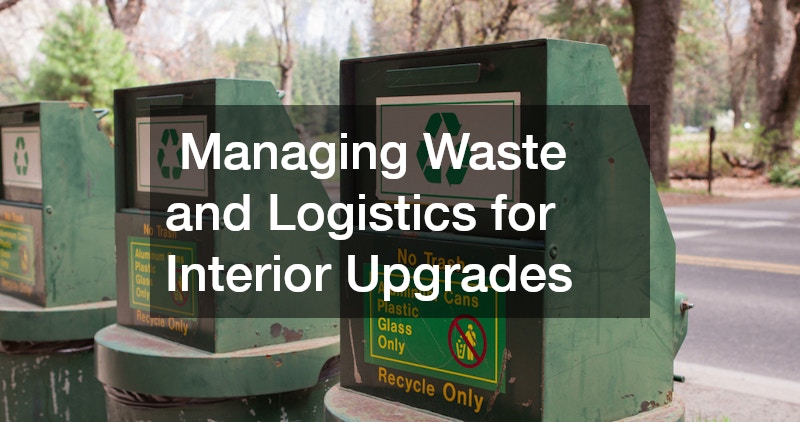
As interior renovations progress into high gear, the sheer volume of discarded vanity units, broken floor tiles, old plaster, and packaging materials can quickly clutter living areas. Interior demolition produces fine dust and heavy refuse that must be systematically cleared from the living area to preserve indoor air quality and protect newly installed surfaces.
Securing a dedicated dumpster rental specifically timed for interior tear-outs keeps the home’s interior pathways clear and manageable. Moving heavy debris directly from interior rooms out to an easily accessible disposal container prevents accidental wall scuffs and keeps the workspace safe for finish trade specialists.
Strategically organizing interior waste disposal involves clear staging practices:
- Immediate Bagging: Packing light plaster and drywall dust into heavy-duty contractor bags before moving through living areas to stop dust clouds from spreading.
- Direct Disposal Route: Laying down durable floor protection runners along a single, direct path from the renovation zone out to the external disposal container.
- Material Sorting: Keeping reusable scrap metals, unbroken copper pipes, or vintage fixtures separated if local donation or specialized recycling is planned.
- Daily Workspace Sweeps: Clearing leftover wood cutoffs and packaging every evening to maintain clear emergency exits and reduce trip hazards.
9. Defining Living Spaces with Color, Texture, and Precision Painting
With major structural modifications, kitchen surfaces, and bathroom tiling completed, interior walls require professional finishing to tie all architectural elements together. Paint is the ultimate design tool—it shapes how light bounces through a room, alters the perceived dimensions of a space, and establishes the emotional tone of every living area.
Hiring skilled interior painting contractors ensures clean lines, seamless wall repairs, and flawless paint application across ceilings, walls, and trim. Professional painters execute tedious wall preparation—including crisp caulking along baseboards, sanding down imperfections, and applying high-grade primers—that quick DIY attempts rarely achieve.
The professional painting workflow follows a strict sequence to guarantee lasting quality:
- Surface Preparation: Patching nail holes with spackle, filling trim gaps with flexible caulk, repairing drywall cracks, and power-sanding surfaces smooth.
- Precision Masking: Taping off woodwork, covering pristine hardwood floors with canvas drop cloths, and masking hardware or electrical outlets.
- Prime and Coat: Applying specialized stain-blocking primers followed by multiple coats of high-durability finish paint using spray, roller, or hand-brush techniques.
Expert painters also advise on sheen selection, recommending moisture-resistant satin finishes for bathrooms and kitchens, durable eggshell sheens for high-traffic hallways, and smooth flat coats for ceilings. The result is a refined interior backdrop that highlights architectural details and accentuates natural light throughout the entire residence.
10. Anchoring Interior Designs with Warmth and Soft Textures
The final layer of an interior transformation focuses on textiles, floor coverings, and furnishings that bring warmth, acoustic control, and cozy comfort to newly painted rooms. Hardwood, polished concrete, or large-format tile floors look stunning, but hard surfaces alone can leave a room feeling echoey and cold without soft furnishings to ground the layout.
Incorporating stylish modern area rugs introduces color, visual texture, and spatial definition to open-concept floor plans. A well-chosen rug anchors furniture groupings in living rooms, defines dining areas, and provides comfortable underfoot padding in bedrooms.
When selecting floor textiles to complete a newly renovated room, consider the following layout principles:
- Scale and Proportion: Ensure the rug extends beyond the front legs of major seating pieces to anchor the room properly rather than floating like a small island in the center.
- Pattern and Contrast: Pair bold, geometric patterns with neutral wall tones, or select muted, textured weaves to balance vibrant furniture colors.
- Material Selection: Choose high-durability wool or easy-to-clean synthetic blends for high-traffic living areas to ensure long-lasting beauty.
- Acoustic Dampening: Utilize plush wool density and thick underlayment rug pads to absorb footsteps, echoes, and ambient chatter in large, open spaces.
- Visual Transitions: Place coordinating rugs in adjoining hallways or open entryways to create subtle visual pathways between adjacent rooms.
Achieving a Cohesive Home Transformation
Transforming a house from the exterior hardscapes to the interior finishings is a multi-stage journey that requires thoughtful planning, clear design intent, and skilled craftsmanship. By addressing foundational needs like roof maintenance, driveway preservation, and efficient waste logistics early in the process, homeowners create a safe, organized environment for major structural and interior upgrades.
When high-end natural surfaces, tailored bathroom layouts, expert paint finishes, and soft design accents are executed in harmony, the result is more than just an updated property—it is a rejuvenated environment crafted for modern living. Investing in quality materials and seasoned professionals across every corner of your home ensures that your property remains beautiful, durable, and deeply comfortable for many years to come.