Essential Home Utility Systems Every Rural Homeowner Should Understand
Rural Living Starts With Knowing What Keeps the Home Running
Rural homes offer space, privacy, and a closer connection to the land, but they also come with responsibilities that many suburban homeowners may never have to consider. Instead of relying on city-managed systems for every basic need, rural homeowners often depend on private infrastructure located directly on the property. That can include equipment for household water, drainage, waste handling, and everyday plumbing.
Understanding these systems is not just helpful. It is a key part of protecting the home. A small issue that goes unnoticed can turn into a major repair, especially when it affects underground equipment, household fixtures, or the systems that support daily water use. Homeowners who know what to inspect, when to schedule maintenance, and when to bring in a professional are better prepared to avoid emergencies.
The goal is not to become an expert in every mechanical or utility system. Instead, rural homeowners should understand the basics, recognize warning signs, and create a reliable maintenance routine. With the right approach, these systems can work safely and efficiently for years.
Know When to Call a Professional for Water Supply Problems
A dependable water supply is one of the most important parts of rural living. Many rural homes depend on a water well rather than a municipal connection, which means the homeowner is responsible for monitoring performance, quality, and reliability. When the system works properly, it is easy to forget about it. When something goes wrong, however, daily life can be disrupted quickly.
Low water pressure is one of the first signs that something may need attention. A weak flow from faucets, slow-filling appliances, or inconsistent pressure during showers can point to problems with the pressure tank, pump, pipes, or the source itself. While some issues may seem minor at first, waiting too long can strain equipment and increase repair costs.
Changes in taste, smell, or appearance should also be taken seriously. Cloudy water, sediment, metallic flavors, or unpleasant odors may indicate mineral buildup, contamination, or equipment wear. Homeowners should not assume these changes will clear up on their own. Testing and inspection can help identify whether the issue is related to the source, plumbing, or treatment equipment.
A professional well pump service may be needed if water stops flowing, pressure drops suddenly, or the pump begins cycling on and off too frequently. These symptoms can signal electrical problems, a failing pump, a damaged pressure switch, or other issues that require specialized tools and training. Trying to fix these components without experience can cause further damage or create safety risks.
Routine inspections are one of the best ways to extend the life of the system. Homeowners should keep records of service visits, water test results, repairs, and equipment age. These records make it easier to spot patterns and help professionals diagnose problems faster when service is needed.
Plan Water Quality Improvements Before Problems Become Serious
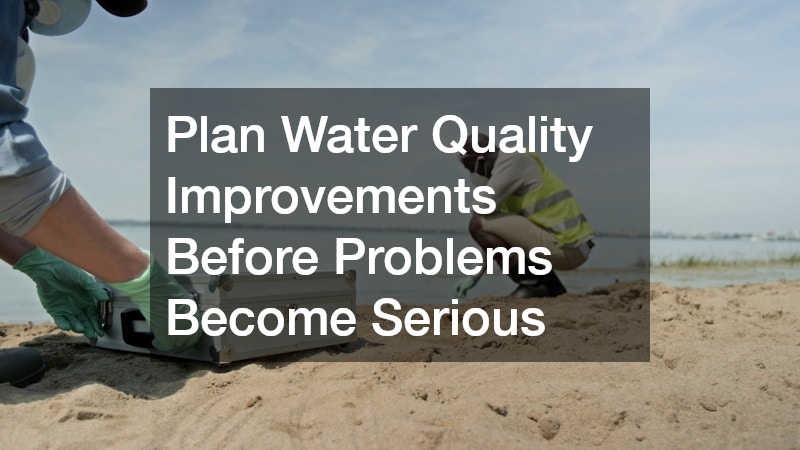
Clean water is essential for drinking, cooking, bathing, laundry, and appliance performance. Rural homeowners should not judge water quality by appearance alone. Water can look clear while still containing minerals, bacteria, nitrates, iron, sulfur, hardness, or other concerns. Regular testing gives homeowners a clearer understanding of what is actually in the water.
Testing should be done when moving into a rural home, after major repairs, after flooding, or whenever water changes in taste, color, or smell. Many homeowners also choose annual testing as part of their maintenance routine. This is especially important for homes with children, older adults, or anyone with health concerns.
Once test results are available, water treatment companies can help determine which solution fits the specific problem. A water softener may help with hardness, while filtration may reduce sediment, iron, or odors. Ultraviolet systems may be recommended for certain bacteria concerns, and reverse osmosis systems may be used for drinking water needs. The right choice depends on test results, household size, water usage, and long-term maintenance requirements.
Homeowners should avoid choosing equipment based only on general advice or online recommendations. A system that works well for one property may not solve the problem at another. Water chemistry can vary greatly from one rural area to the next, even between neighboring homes. Proper testing helps prevent wasted money and ensures the treatment system is designed for the actual issue.
It is also important to understand the difference between household water treatment and wastewater treatment service needs. One focuses on improving the water entering and being used inside the home. The other involves managing used water after it leaves the house. Both affect comfort, safety, and property function, but they require different inspections, equipment, and maintenance schedules.
Maintenance should be planned from the beginning. Filters need replacement, softeners need salt, ultraviolet bulbs need attention, and treatment systems may require periodic checks. A system that is ignored after installation may stop working properly without obvious warning. Keeping a simple calendar for service dates and filter changes helps ensure consistent protection.
Protect Underground Systems Through Routine Preventive Care
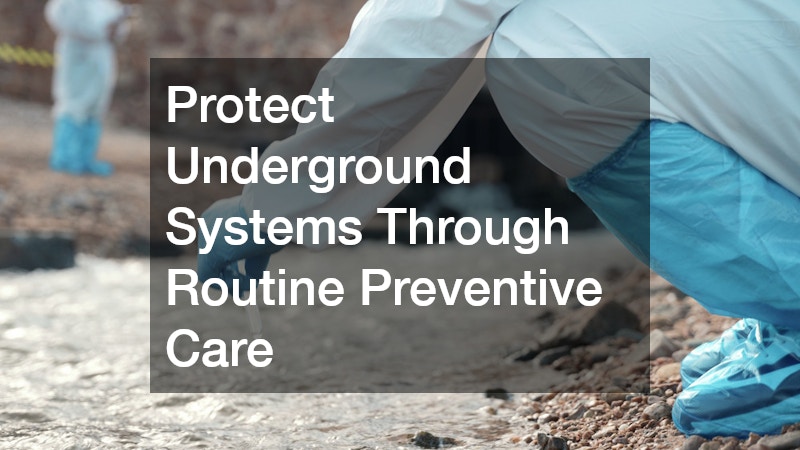
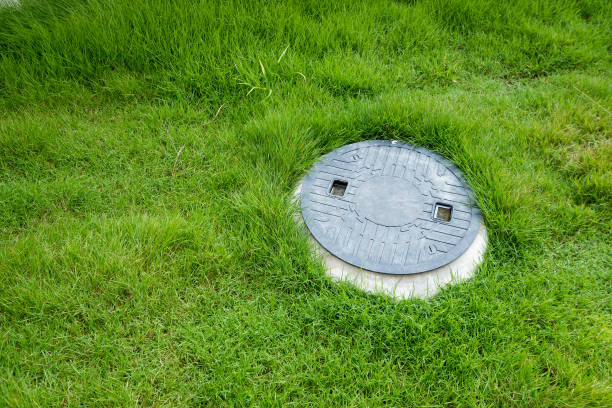
A rural home’s underground waste system is easy to overlook because much of it is hidden from view. However, neglect can lead to unpleasant odors, slow drains, sewage backups, soggy yard areas, and expensive repairs. Preventive care is far easier and more affordable than waiting until the system fails.
Professional septic service is important because trained technicians can evaluate the tank, lines, baffles, drainage field, and overall system condition. Inspections help identify small problems before they become serious. For example, a damaged lid, blocked line, or overloaded drain field can sometimes be corrected early if caught during routine maintenance.
Septic pumping is also a key part of system care. The right schedule depends on household size, tank size, water usage, and what goes down the drains. A large family may need more frequent pumping than a single-person household. Waiting too long allows solids to build up, which can push material into the drain field and cause long-term damage.
Homeowners can protect the system through everyday habits. Grease, wipes, feminine hygiene products, paper towels, harsh chemicals, and large amounts of food waste should not be flushed or washed down drains. Even products labeled as flushable can create problems. The system is designed to handle wastewater and appropriate toilet paper, not trash or heavy solids.
Water use also matters. Running several loads of laundry in one day, taking long showers back-to-back, or allowing leaks to continue can overload the system. Spreading out water-heavy tasks gives the system time to process wastewater properly. Fixing dripping faucets and running toilets can also reduce unnecessary strain.
The yard around the system deserves attention as well. Heavy vehicles should not be parked over tanks or drainage fields. Trees with aggressive roots should be kept away from underground components. Gutters, sump pumps, and surface drainage should be directed away from the drain field to prevent excess saturation.
Build a Strong Foundation Before Expanding Your Property
Many rural homeowners eventually want to expand their property. That may include adding a guest house, barn, workshop, addition, irrigation system, or larger living space. Before beginning construction, it is important to consider whether existing utility systems can support the added demand.
Water needs should be reviewed early in the planning process. If the home already has limited pressure or supply issues, an expansion may make those problems worse. Water well drilling may be needed for new construction, increased usage, or properties without a dependable existing source. Site conditions, depth, local geology, and permitting requirements can all affect the project.
A professional site evaluation can help determine the best location for new infrastructure. Placement matters because water sources, waste systems, structures, driveways, and drainage patterns all need proper spacing. Poor planning can create conflicts that are expensive to fix later.
Wastewater service needs should also be considered before adding bedrooms, bathrooms, kitchens, or workspaces. A system designed for a smaller household may not be sized for additional use. Local regulations may require inspections, permits, or upgrades before expansion. Ignoring these requirements can delay projects or create problems when selling the property later.
Homeowners should ask contractors detailed questions before starting work. Will the existing systems handle the added demand? Are permits required? How will drainage be managed? Will heavy equipment affect underground components? Are there setbacks from property lines, wells, or existing tanks? Clear answers help prevent mistakes and keep the project moving smoothly.
It is also wise to think about future use, not just current needs. A workshop with a bathroom, a rental unit, or a livestock area may increase water and waste demands over time. Planning for reasonable future growth can reduce the need for major changes later.
Stay Ahead of Small Plumbing Problems Before They Become Major Repairs

Even in rural homes with private utility systems, indoor plumbing still plays a major role in daily comfort and property protection. Pipes, fixtures, valves, water heaters, drains, and appliances all need attention. Small leaks or slow drains may seem harmless, but they can signal deeper issues.
Homeowners should inspect visible pipes under sinks, around water heaters, in basements, and near appliances. Moisture, rust, staining, soft flooring, or musty odors may point to hidden leaks. Catching these signs early can prevent structural damage, mold growth, and higher repair costs.
Experienced plumbers can help diagnose problems that are not obvious during a basic inspection. For example, recurring clogs may be caused by buildup, venting problems, damaged lines, or issues farther from the fixture. A professional can determine whether the problem is isolated or connected to a larger system concern.
A dependable plumbing service can also help with preventive maintenance. This may include checking shut-off valves, inspecting water heaters, clearing slow drains, replacing worn fixtures, and testing pressure. Preventive work is especially helpful in older rural homes, where pipes or fixtures may have been added or modified over many years.
Homeowners should also know where main shut-off valves are located. In an emergency, shutting off water quickly can reduce damage. Every adult in the household should know how to stop the water supply and whom to call when a repair is needed.
Seasonal maintenance is important, too. Before winter, exposed pipes should be insulated, outdoor hoses should be disconnected, and vulnerable areas should be checked for drafts. In warmer months, homeowners should inspect outdoor faucets, irrigation connections, and drainage areas. These simple checks can prevent avoidable problems.
Create a Year-Round Maintenance Plan for Every Utility System
The best way to manage rural home systems is to create a year-round maintenance plan. Without a schedule, important tasks are easy to forget until something breaks. A simple seasonal checklist helps homeowners stay organized and avoid last-minute emergencies.
In spring, homeowners can inspect the property after winter weather. This is a good time to look for drainage issues, soggy areas, damaged covers, exposed pipes, or changes in water quality. Spring is also a practical season for scheduling inspections before heavy summer water use begins.
Summer maintenance may focus on outdoor use and system strain. Irrigation, guests, laundry, gardening, and outdoor cleaning can increase demand. Homeowners should watch for pressure changes, slow drains, odors, and unusually wet areas in the yard. These signs should be addressed quickly.
Fall is a good time to prepare for colder weather. Outdoor fixtures should be protected, records should be reviewed, and any needed service should be scheduled before winter storms make repairs more difficult. This is also a smart time to check backup supplies, emergency contacts, and equipment access points.
Winter maintenance often focuses on prevention. Homeowners should protect pipes from freezing, monitor water pressure, and avoid overloading systems during holiday gatherings. If the home is left vacant for travel, extra precautions may be needed to reduce the risk of frozen pipes or unnoticed leaks.
Records are an important part of any maintenance plan. Homeowners should keep inspection reports, test results, repair invoices, installation dates, model numbers, and warranty information in one place. These records help professionals understand the history of each system and make better recommendations.
Budgeting is also part of responsible ownership. Rural utility systems may not need attention every month, but repairs can be costly when they do occur. Setting aside funds for routine maintenance and future replacements helps reduce stress when service is needed.
Make Long-Term Utility Care Part of Every Home Improvement Plan
Rural homeownership is rewarding, but it requires a practical understanding of the systems that support everyday life. These systems affect comfort, health, safety, property value, and long-term repair costs. When homeowners understand how each part works and how the systems connect, they can make better decisions.
The most effective approach is proactive care. Waiting for a backup, loss of supply, bad odor, or visible damage often leads to higher costs and more disruption. Regular inspections, testing, maintenance records, and professional support can help prevent many common problems.
Every home improvement project should include a review of the property’s core utility systems. Whether updating a kitchen, adding a bathroom, building an addition, or improving outdoor spaces, homeowners should consider how the project affects daily demand and long-term performance.
A rural home is more than the structure itself. It includes everything that keeps the property safe, functional, and livable. With steady maintenance and informed planning, homeowners can protect those systems and enjoy a more reliable home for years to come.