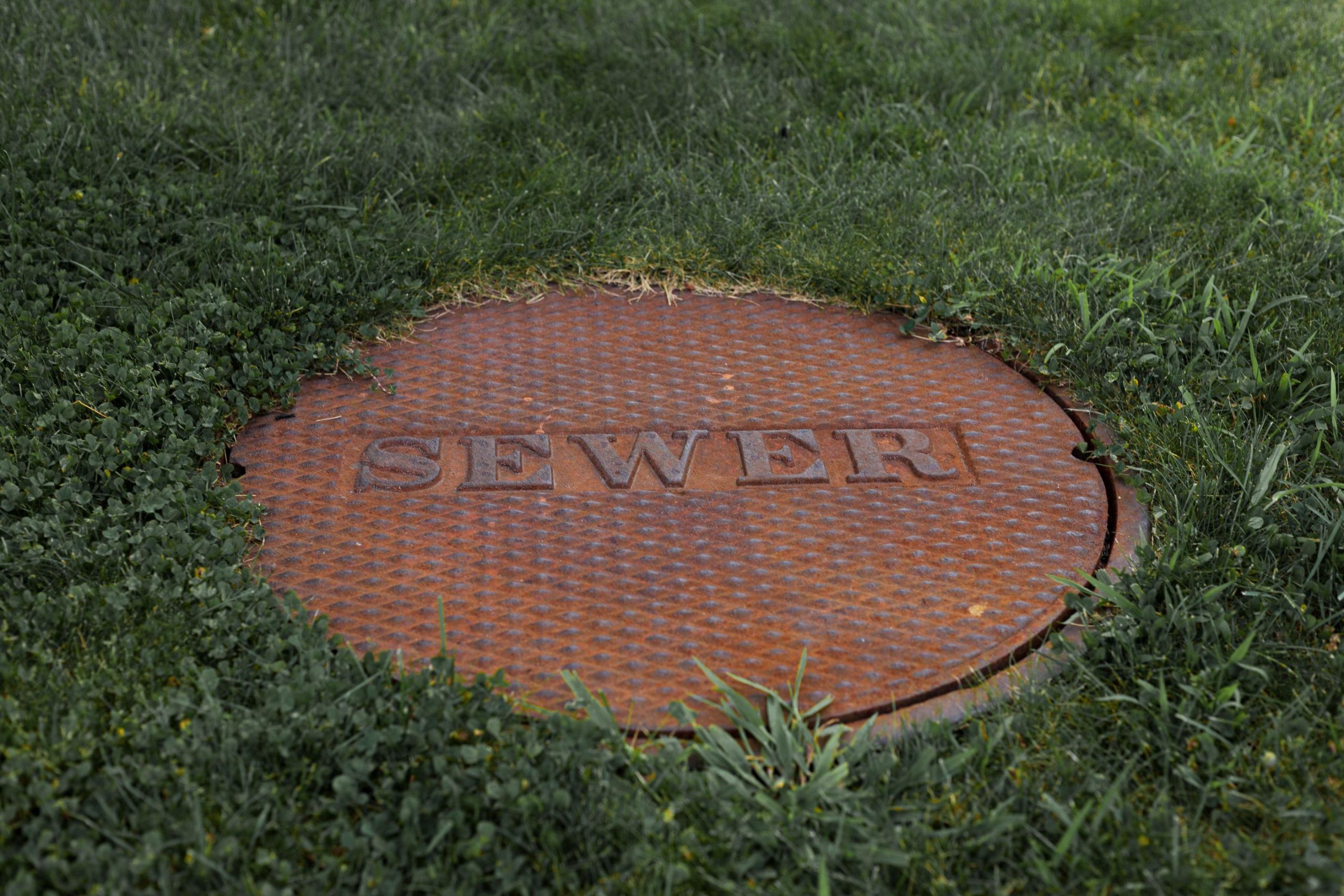
How to Tell If Your Septic Tank Is Full: Warning Signs to Know
Key Takeaways
- Slow drains, gurgling toilets, sewage odors, and backups can indicate that your septic system needs attention.
- Wet or unusually green areas around the drain field may signal that wastewater is not being absorbed properly.
- Regular septic tank pumping helps prevent excessive sludge buildup and reduces the risk of backups.
- Household water use can affect how quickly a septic tank fills, so fixing leaks and spreading out heavy water use can help.
- Avoid flushing non-degradable items, grease, wipes, and harsh chemicals that can interfere with your septic system.
- Professional inspections are important because septic problems can have several causes beyond a full tank.
- Keeping maintenance records and addressing septic issues early can protect your home and make future property transactions easier.
A septic system is one of the most important parts of a home that you rarely think about until something goes wrong. When it is working properly, wastewater from toilets, sinks, showers, and appliances flows away without much attention. But when a septic tank becomes too full or the system starts having problems, warning signs can appear throughout the home and yard.
Knowing how to tell if your septic tank is full can help you respond before a small maintenance issue becomes a messy and expensive problem. A full tank does not always mean there is an emergency. Septic tanks are designed to hold wastewater and solids between pumpings. However, when the tank reaches its normal service level or develops an issue that prevents proper flow, the system can begin backing up.
Regular inspections and pumping are important parts of septic system care. Homeowners should also learn to recognize changes in drains, toilets, odors, and the area around the drain field.
Here are the most common warning signs that your septic tank may be full or that your septic system needs professional attention.
1. Slow Drains Throughout the House
One slow drain does not necessarily mean your septic tank is full.
A clogged sink drain, shower drain, or toilet may simply have a local blockage. However, if several drains throughout the house suddenly become slow, your septic system may be involved.
For example, you may notice that:
- The kitchen sink drains slowly.
- The bathroom sink takes longer to empty.
- The bathtub holds water while you’re showering.
- Multiple toilets flush slowly.
- Water drains more slowly after using several fixtures at once.
When the tank is too full, wastewater has less room to enter and flow through the system. This can cause drainage problems throughout the home.
If multiple drains are affected at the same time, don’t assume that every drain has a separate clog. A septic professional can determine whether the problem is inside the plumbing or connected to the septic system.
2. Gurgling Toilets and Pipes
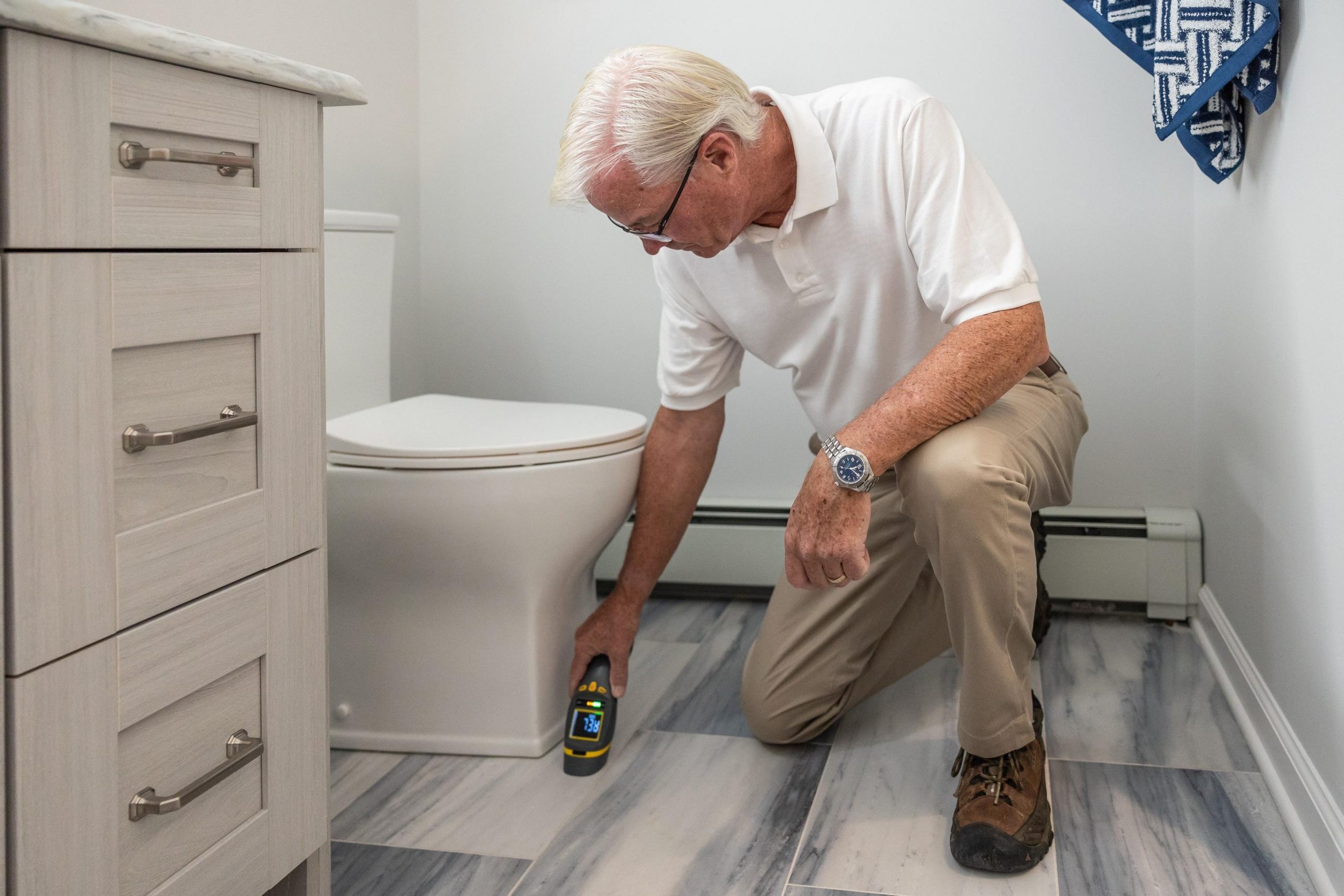
Unusual gurgling sounds from toilets, sinks, or drains can be another warning sign.
You might hear bubbling or gurgling after flushing the toilet, running the washing machine, or taking a shower.
These sounds can happen when air becomes trapped in the plumbing because wastewater is not flowing normally.
A gurgling toilet does not always mean the septic tank is full. Plumbing blockages and vent problems can cause similar symptoms.
However, when gurgling happens along with slow drains or unpleasant odors, it deserves attention.
3. Unpleasant Septic Odors
A healthy septic system should not normally produce strong sewage odors around your home.
If you notice a persistent rotten or sewage-like smell inside or outside, there could be a problem with your septic system.
Odors may appear:
- Near drains
- Around the septic tank
- Near the drain field
- In the yard
- Inside the house
A full tank can contribute to odors because gases and wastewater may not be moving through the system as they should.
However, odors can also come from damaged pipes, blocked vents, leaks, or problems with the drain field.
Because sewage gases can be hazardous, persistent odors should not be ignored.
4. Sewage Backing Up Into the House
Sewage backing up into your home is one of the clearest signs of a serious septic or plumbing problem.
You may notice wastewater coming up through:
- Toilets
- Bathtubs
- Shower drains
- Floor drains
- Sinks
This should be treated as an urgent problem.
Do not continue flushing toilets or running large amounts of water through the plumbing. Additional water can make the backup worse.
Contact a qualified septic professional as soon as possible.
Sewage exposure can create health risks, so avoid direct contact and keep children and pets away from contaminated areas.
5. Water Pooling in the Yard
Your yard can provide important clues about the condition of your septic system.
If wastewater is not properly absorbed by the drain field, you may see unusually wet or soggy areas.
Look for:
- Standing water
- Muddy patches
- Persistently wet grass
- Water pooling near the septic tank
- Wet areas near the drain field
These signs can indicate a saturated drain field or another septic system problem.
However, rainfall can also cause temporary wet spots. The concern is when the area remains unusually wet even during dry weather.
6. An Unusually Green Patch of Grass
A bright green patch of grass over or near the drain field may seem like a positive sign, but it can sometimes indicate a problem.
Wastewater contains nutrients that can encourage plant growth.
If one section of your lawn is consistently greener, taller, or thicker than the surrounding grass, wastewater may be reaching the soil in that area.
This can happen when the drain field is receiving more wastewater than it can handle.
A greener lawn does not prove that your septic tank is full, but it is a reason to inspect the system if other warning signs are present.
7. Sewage Odors in the Yard
Strong sewage smells outdoors can indicate that wastewater or gases are not being contained properly.
Walk around your property occasionally and pay attention to unusual odors near:
- The septic tank
- Drain field
- Cleanouts
- Drainage areas
If the smell becomes stronger after using a lot of water, that can provide another clue that the system is struggling.
Don’t attempt to open the septic tank yourself just to check the level. Septic tanks contain dangerous gases, and entering a septic tank can be fatal.
8. Changes in Toilet Performance
Your toilets can sometimes provide early clues that something is wrong.
Pay attention if toilets:
- Flush slowly
- Bubble after flushing
- Require multiple flushes
- Back up frequently
- Fill with water unusually high before draining
One toilet behaving strangely may indicate a local plumbing issue.
Multiple toilets experiencing problems at the same time are more concerning.
If the entire household notices changes in toilet performance, have the plumbing and septic system inspected.
9. Your Septic Tank Hasn’t Been Pumped Recently
One of the simplest warning signs is a lack of regular maintenance.
Septic tanks collect solids that do not leave the system with liquid wastewater. Over time, sludge accumulates at the bottom while floating materials form a scum layer near the top.
Eventually, the tank needs to be pumped.
How often a septic tank needs pumping depends on factors such as:
- Tank size
- Household size
- Water usage
- Amount of solids entering the system
- Garbage disposal use
- Age of the system
There is no single schedule that works for every household.
If you don’t know when the tank was last pumped, contact a septic professional to determine whether an inspection or pumping is needed.
10. Your Household Water Usage Has Increased

Changes in water use can affect how quickly a septic tank fills.
For example, a household may start using more water after:
- Having a baby
- Adding family members
- Hosting guests
- Doing more laundry
- Installing a large bathtub
- Spending more time at home
The more wastewater your household produces, the more work your septic system must handle.
Using water efficiently can reduce strain on the system.
Spread laundry throughout the week instead of doing many loads in one day. Fix leaking faucets and toilets, and avoid taking extremely long showers.
Full Tank vs. Septic System Failure
It’s important to understand that a full septic tank and a failing septic system are not the same thing.
A tank is designed to become full of liquid during normal operation. The concern is when sludge and scum accumulate to levels that interfere with the system or when the tank has reached its recommended pumping point.
A failing system may have problems with:
- The drain field
- Distribution components
- Pipes
- Baffles
- Tank structure
- Soil absorption
Pumping a tank can temporarily solve a full-tank problem, but it won’t fix a damaged drain field or broken component.
That’s why professional diagnosis matters.
Don’t Wait for a Backup
Many homeowners wait until wastewater backs up into the house before calling for help.
Unfortunately, this can lead to more damage and cleanup.
If you notice several warning signs at once, contact a septic professional before the problem becomes an emergency.
Early attention may allow you to address the issue through routine pumping or a smaller repair instead of dealing with a major system failure.
What to Do If Your Septic Tank Is Full
If you suspect the tank is full, start by reducing water use.
Until you know what is happening, avoid:
- Running the washing machine
- Taking long showers
- Running the dishwasher
- Flushing unnecessarily
- Using large amounts of water at once
Then contact a qualified septic service provider.
A professional can locate the tank, inspect the system, check the liquid and sludge levels, and determine whether pumping is needed.
They can also look for other problems that may be causing your symptoms.
How Septic Tank Pumping Works
During pumping, a professional uses specialized equipment to remove accumulated solids and wastewater from the tank.
The process typically involves:
- Locating the septic tank.
- Accessing the tank safely.
- Opening the appropriate access point.
- Removing wastewater, sludge, and scum.
- Inspecting the tank and components.
- Closing the tank securely.
A professional may recommend additional maintenance based on the tank’s condition.
Do not attempt to pump a septic tank yourself. Specialized equipment and safety procedures are required.
Protect Your Septic System Between Pumpings
Regular pumping is only one part of septic maintenance.
You can also protect the system by being careful about what enters your drains.
Avoid flushing:
- Paper towels
- Baby wipes
- Grease
- Cooking oil
- Feminine hygiene products
- Cat litter
- Harsh chemicals
- Non-flushable cleaning products
Even products labeled “flushable” can cause plumbing problems in some systems.
Toilets should generally be used only for human waste and toilet paper.
Septic Maintenance Before Selling Your Home
If you’re preparing to sell your house, septic maintenance deserves attention.
A septic inspection may be requested during a real estate transaction, depending on local requirements and the terms of the sale.
Addressing known problems early can make the selling process smoother.
If you’re planning home upgrades before selling, don’t focus only on cosmetic improvements. Make sure important systems, including the septic system, are properly maintained.
A well-maintained septic system can give potential buyers greater confidence and may help prevent unpleasant surprises during an inspection.
Keep Records of Septic Maintenance
Keep a simple record of your septic system’s maintenance.
Write down:
- Pumping dates
- Inspection dates
- Repairs
- Service provider information
- Tank location
- Tank size
- Any recommended future work
These records can help you understand the system’s history.
They can also be useful if you sell the property in the future.
When to Call a Professional
Call a septic professional if you notice:
- Sewage backups
- Multiple slow drains
- Persistent sewage odors
- Soggy drain field areas
- Unusually green grass
- Gurgling pipes
- Frequent toilet problems
- An overdue pumping schedule
Don’t try to diagnose everything yourself.
A septic system is a complex part of your home’s wastewater infrastructure, and incorrect repairs can make the situation worse.
Final Thoughts
Knowing how to recognize the warning signs of a full septic tank can help you protect your home and avoid messy emergencies. Slow drains, gurgling pipes, unpleasant odors, sewage backups, wet spots, and changes in lawn growth can all indicate that your septic system needs attention.
However, these signs don’t always mean the tank is simply full. Plumbing blockages, damaged components, drain field problems, and other issues can create similar symptoms.
The safest approach is to reduce water use when problems appear and contact a qualified septic professional for an inspection. Regular pumping, responsible water use, careful disposal habits, and routine inspections can help your septic system work properly for many years.
Most importantly, don’t wait until sewage is backing up into your home. Paying attention to small changes and maintaining your septic system regularly can save you from larger repairs, protect your property, and keep an important part of your home’s infrastructure working as it should.