
Essential Water Quality Improvements for Homeowners
Cleaner Water Starts With Smarter Home Decisions
Clean water affects almost every part of daily life at home. It influences how food tastes, how laundry feels, how long appliances last, how comfortable showers are, and how confident families feel about what comes from every faucet. When water quality declines, the signs are not always dramatic at first. Homeowners may notice cloudy water, mineral spots on dishes, dry skin after bathing, odd smells, rusty stains, or changes in water pressure. Over time, these small problems can point to larger issues within the home’s supply, treatment, storage, or drainage setup.
Improving water quality is not just about installing one piece of equipment and hoping it solves everything. A strong plan looks at the full picture: where the water comes from, how it moves through the property, what it touches along the way, and how wastewater is safely carried away. The right improvements can help reduce contaminants, protect plumbing fixtures, prevent expensive repairs, and make the home more efficient.
For many homeowners, the best approach is to start with simple observations, then move toward testing, maintenance, and professional guidance where needed. By understanding the most common causes of water quality problems, homeowners can make practical upgrades that improve safety, comfort, and long-term home value.
Test First Before Choosing Any Upgrade

Before making changes, homeowners should understand what is actually in their water. Guessing can lead to spending money on equipment that does not address the real problem. Water may contain minerals, sediment, chlorine, bacteria, iron, sulfur, nitrates, or other substances depending on the source and local conditions. Testing gives homeowners a clearer starting point and helps determine which improvements will be most effective.
A basic water test can reveal hardness, pH level, iron content, bacteria presence, and other common concerns. Homes connected to municipal supplies may still benefit from testing because treated water can pick up sediment or minerals as it travels through aging pipes. Homes using private sources need regular testing because conditions can change due to weather, land use, nearby construction, or natural groundwater movement.
Professional water system services can help homeowners interpret test results and identify the best next steps. A trained technician can look beyond the numbers and evaluate the home’s equipment, pressure, storage, and delivery setup. This is especially useful when several problems appear at once, such as staining, odor, and low pressure.
Once testing is complete, homeowners should rank improvements by urgency. Health-related concerns, such as bacteria or unsafe contaminant levels, should be addressed first. Taste, odor, and appliance-protection upgrades can follow. This step-by-step approach keeps the project manageable and helps avoid unnecessary purchases.
Select Treatment Equipment Based on the Problem
Not all water treatment options solve the same issue. A system that improves taste may not remove dissolved minerals. A filter that catches sediment may not address bacteria. That is why homeowners should match equipment to the specific concern revealed by testing and inspection.
A water purifier can be helpful when homeowners want cleaner drinking water at a sink, refrigerator, or throughout the home. The right type depends on the goal. Carbon filters can improve taste and reduce certain odors. Reverse osmosis systems can reduce many dissolved substances from drinking water. Ultraviolet treatment can help address microbial concerns when paired with proper filtration. Sediment filters can capture visible particles before they reach fixtures and appliances.
Whole-home systems are useful when the problem affects every faucet. Point-of-use systems are often better when the main concern is drinking and cooking water. In some homes, combining systems provides the best result. For example, a sediment filter may protect equipment at the entry point, while a drinking water system provides extra treatment at the kitchen sink.
Maintenance matters just as much as installation. Filters must be replaced on schedule, and treatment units should be inspected to confirm they are working properly. A neglected system can lose effectiveness and may even reduce water pressure. Homeowners should keep a simple maintenance log that includes installation dates, filter changes, service visits, and water test results.
Keep Storage and Pressure Equipment Working Properly
For homes that rely on private water sources, storage and pressure equipment play a major role in water quality and daily convenience. Even if the source water is clean, poor storage or delivery can create problems such as inconsistent pressure, sediment movement, or premature wear on appliances.
Well water tanks help regulate pressure and reduce how often pumping equipment turns on and off. When a tank is too small, damaged, waterlogged, or poorly adjusted, the system may cycle too frequently. This can shorten equipment life and cause noticeable changes at faucets and showers. Homeowners may hear clicking, notice bursts of pressure, or experience water flow that rises and falls during use.
Well pumps also need regular attention. A pump that struggles to keep up may point to electrical issues, wear, improper sizing, or changes in the source. If the pump runs constantly, loses prime, or delivers weak flow, homeowners should schedule an inspection before the problem becomes an emergency.
A good maintenance routine includes checking pressure settings, listening for unusual sounds, watching for short cycling, and inspecting visible components for leaks or corrosion. Homeowners should also pay attention after storms, droughts, or major landscaping projects, since changes around the property can affect groundwater systems.
Proper sizing is another important factor. A household with multiple bathrooms, irrigation needs, large appliances, or frequent laundry use may require different equipment than a smaller home. Matching storage and pressure components to actual demand improves comfort and reduces stress on the system.
Look for Plumbing Issues That Affect Water Quality
Sometimes water quality concerns are not caused by the original source at all. The issue may come from the home’s own pipes, valves, fixtures, or connections. Aging materials, corrosion, leaks, and mineral buildup can all change the way water looks, tastes, smells, and flows.
A plumber can inspect the home’s visible and hidden components to find issues that homeowners may miss. Rust-colored water, greenish stains, metallic taste, or recurring leaks may suggest corrosion. White scale on faucets and showerheads may point to mineral buildup. Low pressure in one part of the house may indicate a localized blockage or failing fixture.
Hiring a qualified plumbing company is especially important when problems affect multiple rooms or appear suddenly. Professionals can check supply lines, shutoff valves, water heaters, pressure regulators, and fixture connections. They can also identify whether the issue is isolated to the house or linked to the larger supply system.
Homeowners should not ignore small signs. A slow drip under a sink can lead to moisture damage. A hidden leak behind a wall can encourage mold growth. A failing water heater can release sediment into hot water lines. Even minor plumbing problems can affect water quality if they continue long enough.
Preventive inspections are often less expensive than emergency repairs. Homeowners should consider scheduling a checkup when buying a home, remodeling, noticing pressure changes, or dealing with repeated fixture problems. Early attention helps protect both water quality and the structure of the home.
Protect the Source From Outside Contamination
For homes that use private sources, protecting the source area is one of the most important steps in maintaining safe water. Contamination can come from surface runoff, nearby septic systems, chemicals, livestock areas, fuel storage, flooding, or poor construction practices. Once contaminants enter the supply, treatment can become more complicated and expensive.
Well drilling should always be handled with proper planning, placement, and construction standards. Location matters because the source should be positioned away from potential contamination risks whenever possible. Safe separation from septic areas, drainage fields, barns, chemical storage, and low-lying flood-prone zones helps reduce long-term problems.
Homeowners with an existing source should inspect the area regularly. The cap should be secure, the casing should be intact, and the ground should slope away so surface water does not collect around it. Cracks, loose fittings, damaged caps, or standing water nearby should be addressed quickly.
It is also wise to test after major events. Flooding, nearby excavation, changes in taste or odor, or unexplained illness in the household can all be reasons to schedule testing. Even when water looks clear, contaminants may be present without obvious warning signs.
Landscaping choices can also make a difference. Homeowners should avoid storing fertilizers, pesticides, fuel, or harsh chemicals near the source. They should keep the area accessible for inspection and avoid burying key components under mulch, plants, or decorative features. Protecting the source is a long-term habit, not a one-time task.
Fix Drainage and Wastewater Problems Early
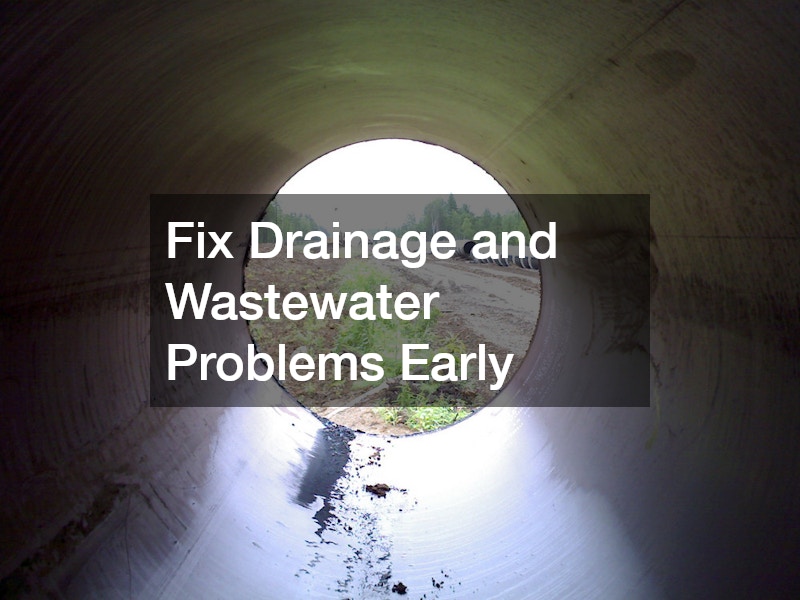
Water quality is also connected to how wastewater leaves the home. When drainage or sewer systems fail, they can create health risks, property damage, odors, and possible contamination concerns. Homeowners often focus on incoming water but forget that outgoing wastewater systems need the same level of care.
A sewer line repair service may be needed when signs of failure appear. Common warnings include slow drains throughout the house, gurgling toilets, sewage odors, soggy areas in the yard, recurring backups, or unusually green patches of grass near underground lines. These symptoms should not be ignored because sewer problems usually get worse over time.
Older homes may also need updated sewer installations when existing lines are damaged, undersized, poorly sloped, or made from outdated materials. Modern installation methods and materials can improve reliability and reduce the risk of future backups. In some cases, camera inspections can show whether repair or replacement is the better option.
Homeowners can reduce risk by being careful about what goes down drains. Grease, wipes, hygiene products, paper towels, and heavy food waste can contribute to blockages. Tree roots are another common problem, especially in older lines. Routine inspections can catch root intrusion before it leads to a major backup.
Outdoor drainage also matters. Downspouts, grading, and yard drainage should direct water away from foundations and wastewater components. Excess water in the wrong place can create pressure on underground systems and increase the chance of damage. A reliable wastewater plan helps keep the entire property cleaner, safer, and easier to maintain.
Build a Maintenance Schedule That Prevents Surprises
The best water quality improvements are supported by consistent maintenance. Even high-quality equipment can fail if it is ignored. Homeowners should create a simple yearly schedule that covers testing, inspections, filter changes, flushing, pressure checks, and seasonal preparation.
Professional plumbing services can help homeowners set up a practical maintenance routine based on the home’s age, water source, equipment, and past problems. This is especially helpful for properties with multiple systems, such as treatment equipment, storage tanks, pumps, water heaters, and older pipes.
A seasonal checklist can make maintenance easier. In spring, homeowners can inspect outdoor components, check for winter damage, and test water after heavy rain. In summer, they can watch demand levels, especially if irrigation or guests increase usage. In fall, they can prepare equipment for colder weather and inspect exposed pipes. In winter, they can protect vulnerable lines from freezing and monitor pressure changes.
Homeowners should also pay attention to everyday clues. Changes in taste, odor, color, flow, or pressure can signal that something needs attention. Stains on fixtures, cloudy water, sediment in glasses, or strange noises from equipment should be written down and discussed during service visits.
Budgeting is another part of maintenance. Setting aside money for inspections and eventual equipment replacement helps homeowners avoid panic decisions when something fails. A proactive plan gives families more control over costs and helps keep water quality steady throughout the year.
A Healthier Home Begins With Better Water Habits

Improving water quality is one of the most valuable steps homeowners can take to protect their comfort, health, and property. Clean, reliable water supports cooking, bathing, cleaning, laundry, landscaping, and the long-term performance of household appliances. When problems are left alone, they can lead to higher utility costs, damaged fixtures, poor-tasting water, unpleasant odors, and expensive repairs.
The most effective approach begins with awareness. Homeowners should test before they invest, choose improvements based on real conditions, maintain equipment consistently, and respond quickly when warning signs appear. Water quality is not controlled by one single device or repair. It depends on the source, the delivery system, the treatment method, the condition of the home’s infrastructure, and the way wastewater is managed.
By taking a whole-home view, homeowners can make smarter decisions and avoid temporary fixes that do not solve the root cause. Whether the issue is taste, pressure, staining, odor, sediment, or recurring repairs, a clear plan can make the home safer and more efficient.
Cleaner water does not have to be complicated. With regular testing, practical upgrades, and timely professional help, homeowners can create a more dependable home environment and enjoy greater peace of mind every time they turn on the tap.