Choosing a Reliable Plumber for Septic System Maintenance
A properly functioning septic system is one of the most important yet overlooked parts of a home’s infrastructure. Unlike municipal sewer systems, septic systems rely entirely on your household’s maintenance habits and the expertise of the professionals you hire. When something goes wrong, the consequences can escalate quickly—from slow drains and foul odors to raw sewage backups and expensive property damage.
Many homeowners only think about their septic system when a problem becomes impossible to ignore. However, by that point, repairs are often more complicated and costly than they would have been with early intervention. That’s why selecting the right professional to maintain your system is essential.
This guide will walk you through evaluating service providers, identifying the qualifications to look for, spotting red flags, and building a long-term relationship with a trusted expert. The goal is to help you make informed decisions that protect your home, your health, and your investment.
1. Recognizing the Early Warning Signs of System Failure

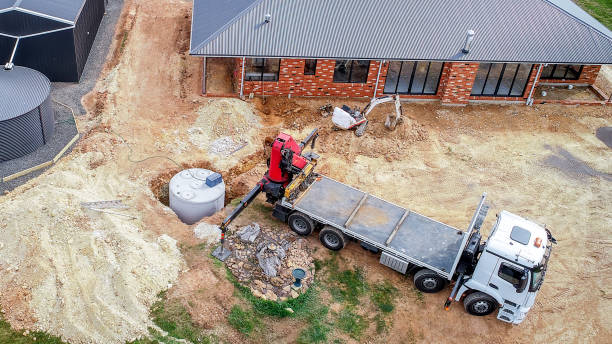
When a septic system begins to fail, it rarely happens without warning. Understanding the early indicators can help you avoid major damage and unnecessary disruption. In some cases, neglecting these signs may eventually lead to full septic replacement, which is significantly more expensive and disruptive than routine maintenance.
Common warning signs include:
- Slow-draining sinks, tubs, and toilets
- Gurgling sounds in plumbing fixtures
- Persistent sewage odors indoors or outdoors
- Standing water near the drain field
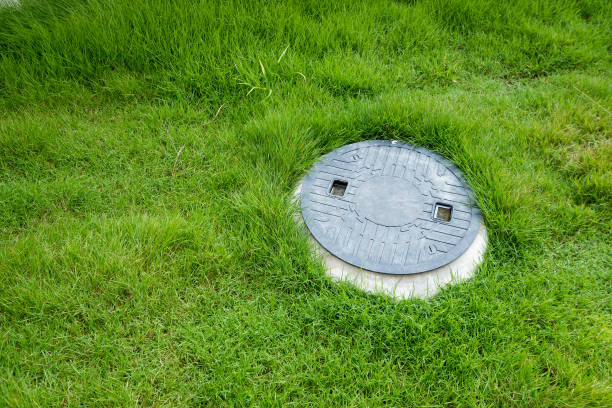
- Unusually lush or soggy grass over the septic area
A homeowner who notices these issues should act quickly rather than waiting for conditions to worsen. Early intervention allows professionals to assess whether the system can be repaired or requires more extensive work. Routine inspections also help identify issues before they escalate into emergencies.
Preventative tip: Schedule regular system evaluations every 1–3 years, depending on household size and water usage. Early detection is always less expensive than emergency correction.
2. Choosing the Right Professional for the Job
Finding the right expert begins with understanding qualifications and experience. Not all service providers have the specialized knowledge required for septic systems, so it is important to vet candidates carefully. A qualified local plumbing contractor should be licensed, insured, and experienced in both residential plumbing and septic-specific issues.
When evaluating a plumber, consider:
- Proper state licensing and certifications
- Proof of liability insurance
- Experience with septic system diagnostics
- Availability of references or verified reviews
- Clear communication and transparent pricing
A reputable plumber will also be willing to explain the issue in simple terms and outline possible solutions without pressure or vague recommendations.
Practical tip: Always ask how long the professional has worked specifically with septic systems—not just general plumbing—to ensure relevant expertise.
3. Understanding the Scope of Services Offered
A strong service provider should offer a wide range of solutions that cover both routine maintenance and complex repairs. Comprehensive plumbing repair services are essential because septic issues often overlap with broader drainage or pipe problems.
Reliable plumbing services typically include:
- Drain cleaning and inspection
- Pipe repair and replacement
- Septic tank pumping coordination
- Leak detection and diagnostics
- System performance evaluations
Working with a provider that offers full plumbing services ensures consistency and reduces the need to hire multiple contractors for related issues. This approach saves time and often reduces long-term costs.
Homeowners should also ask whether the provider uses modern diagnostic tools such as camera inspections or hydro-jetting systems, which can significantly improve accuracy and efficiency.
4. The Importance of Working With Local Experts

Choosing professionals who understand your local environment can significantly improve service quality. Soil composition, water tables, and climate conditions all affect septic system performance, and experienced local plumbers are familiar with these regional factors.
A reputable local plumbing company often has a stronger reputation to maintain within the community, which typically translates into higher accountability and better service standards.
When selecting a provider, look for:
- Established presence in your area
- Positive local reviews and referrals
- Familiarity with regional building codes
- Consistent service history in your community
Benefits of working with local professionals include faster response times, better communication, and more personalized service. Additionally, local plumbers are often more invested in long-term customer relationships.
Practical tip: Ask neighbors or community groups for recommendations before selecting a provider.
5. Handling Plumbing Emergencies Effectively
Septic and plumbing emergencies can escalate quickly, making a fast response essential. A reliable emergency plumber should be available to address urgent issues such as sewage backups, overflowing tanks, or complete system blockages.
Situations requiring immediate attention include:
- Sewage backing up into drains or toilets
- Strong sewer odors inside the home
- Sudden flooding near the septic area
- Complete loss of drainage across multiple fixtures
Before the emergency plumber arrives, homeowners should:
- Avoid using water in the home
- Keep people and pets away from affected areas
- Turn off water sources if necessary
- Document visible damage for reference
Emergency response professionals are trained to stabilize the situation quickly and prevent further damage. Having a trusted contact saved in advance can significantly reduce stress during a crisis.
6. Why Long-Term Service Relationships Matter
Consistency is one of the most important factors in maintaining a healthy septic system. Working with a reliable plumbing company over time allows technicians to understand your system’s history and performance patterns.
Benefits of long-term partnerships include:
- Better tracking of system changes over time
- Faster diagnosis due to familiarity with past issues
- Priority scheduling for regular maintenance
- More accurate repair recommendations
A trusted plumbing company will often recommend maintenance schedules tailored to your household size, water usage, and system age. This proactive approach reduces the likelihood of unexpected breakdowns.
Preventative tip: Stick with one provider whenever possible to build a complete service history for your system.
7. How Household Systems Impact Septic Performance

Many homeowners do not realize that other household systems can affect septic efficiency. For example, water temperature regulation and usage patterns can influence how quickly waste breaks down and flows through the system.
Issues related to local water heater repair can indirectly affect septic performance if inconsistent temperatures lead to higher water usage or system strain. Leaking or inefficient water heaters can also contribute to unnecessary water load, which may overwhelm the septic system.
Key warning signs include:
- Fluctuating water temperatures
- Unexplained increases in water bills
- Moisture or leaks near the water heater
- Reduced efficiency in hot water delivery
Preventative maintenance of water-based appliances helps ensure that the septic system is not overburdened by avoidable usage issues.
8. Comparing Costs and Understanding Value
Cost is an important consideration, but it should never be the only factor when selecting providers. While it can be tempting to choose the lowest bid, especially when dealing with urgent septic or drainage concerns, cheaper options often come with hidden tradeoffs. High-quality plumbing repair services may appear more expensive initially, but they typically deliver greater long-term value by addressing root causes rather than just symptoms. This reduces the likelihood of recurring issues, repeat visits, and additional labor costs that can accumulate over time.
When evaluating plumbing services, it’s important to go beyond the bottom-line price and look closely at what is actually included in the estimate. A detailed breakdown helps you understand not only what work is being performed, but also why it is necessary. Vague or overly simplified quotes can be a red flag, as they may not account for potential complications that arise during the job.
When evaluating plumbing services, consider:
- Whether estimates are detailed and transparent
- If diagnostic fees are included or separate
- The quality of materials and equipment used
- Warranty or service guarantees offered
Whether estimates are detailed and transparent is one of the most important factors because it reflects how openly a provider communicates. A reliable contractor will clearly outline labor, parts, equipment usage, and any potential additional costs. This transparency helps homeowners make informed decisions and reduces the likelihood of surprise charges once the work begins. In contrast, unclear estimates may lead to disputes or unexpected expenses later in the project.
It is also helpful to compare multiple quotes to understand average market pricing. Doing so gives homeowners a clearer sense of what is reasonable in their area and helps identify outliers—whether unusually high or suspiciously low. Comparing at least two to three estimates can reveal differences in scope, materials, and service quality that might not be obvious at first glance.
Practical tip: Always request a written breakdown before approving any major work. A written document ensures accountability, provides a reference point for the agreed-upon scope, and protects both the homeowner and the provider in case questions arise during or after the project.
9. Building Trust With the Right Service Provider
Developing a long-term relationship with a trusted local plumbing contractor ensures continuity and reliability. Over time, a familiar provider becomes more efficient at diagnosing issues and maintaining system performance.
Similarly, working consistently with a dependable local plumbing company allows for better service tracking and accountability. These professionals often maintain detailed records of past work, which helps improve future maintenance decisions.
Steps to build trust:
- Schedule regular maintenance visits
- Communicate openly about concerns or changes
- Keep records of all services performed
- Provide feedback after each job
Strong relationships lead to better service outcomes and fewer unexpected issues.
In addition to these steps, establishing a transparent pricing structure can further enhance trust between clients and the plumbing company. Clients appreciate knowing what to expect and can make informed decisions about their services. Moreover, consider involving the plumbing professionals in discussions about long-term plans for your plumbing systems; their expertise can guide you in making choices that align with your needs and budget. Ultimately, a collaborative approach fosters a partnership that helps both parties feel valued and satisfied with the services provided.
10. Planning Ahead for Major System Needs

Eventually, even well-maintained systems reach a point where repairs are no longer sufficient. Understanding when septic replacement becomes necessary is crucial for avoiding sudden failures and emergency expenses. What makes this stage especially challenging for homeowners is that the warning signs often appear gradually at first, then escalate quickly once the system’s capacity is fully compromised. At that point, temporary fixes may only provide short-lived relief rather than a sustainable solution.
Indicators may include:
- Repeated system backups despite repairs
- Persistent drain field saturation
- Structural damage to the tank
- Frequent and costly repair cycles
Repeated system backups despite repairs often signal that the underlying issue is no longer localized. Instead of a single clog or isolated pipe issue, the entire system may be struggling to process and disperse wastewater effectively. When backups return shortly after service, even after thorough cleaning or part replacements, it suggests that the system’s overall design or capacity may no longer match household demand. This is often one of the strongest early warnings that more extensive intervention may be required.
Persistent drain field saturation is another critical concern because the drain field is responsible for naturally filtering and dispersing wastewater into the surrounding soil. When it remains consistently wet, soggy, or emits foul odors, it can indicate that the soil is no longer absorbing effluent properly. This may be due to soil compaction, aging infrastructure, or long-term overload. Over time, saturated drain fields can stop functioning entirely, which significantly limits the system’s ability to recover without major corrective work.
Structural damage to the tank presents a more serious and often irreversible issue. Cracks, corrosion, or collapsing components can compromise the integrity of the entire system. Even small structural defects can allow groundwater intrusion or wastewater leakage, both of which reduce efficiency and create environmental hazards. Once the tank itself is compromised, repairs may only serve as temporary stabilization rather than a long-term fix, making replacement a more realistic consideration.
Frequent and costly repair cycles are also a strong indicator that the system is nearing the end of its functional life. When homeowners find themselves repeatedly investing in repairs within short timeframes, it becomes important to evaluate the overall cost-effectiveness of continued maintenance. At a certain point, the cumulative cost of ongoing repairs may approach or even exceed the cost of replacement, making long-term planning more financially sensible.
Preventative tip: Schedule annual inspections to evaluate system health and plan for future needs before emergencies arise. Regular evaluations not only extend system life but also provide a clear timeline for when upgrades or major interventions may become necessary. This allows homeowners to make informed, gradual decisions rather than urgent, high-cost reactions during system failure.
Conclusion
Choosing the right professional for septic system maintenance is one of the most important decisions a homeowner can make. With proper evaluation, consistent maintenance, and a long-term service relationship, you can significantly extend the life of your system and avoid costly disruptions.
By staying proactive and informed, homeowners gain more control over their property’s health and reduce the risk of unexpected failures. A reliable expert partnership ensures your septic system continues to function safely and efficiently for years to come.