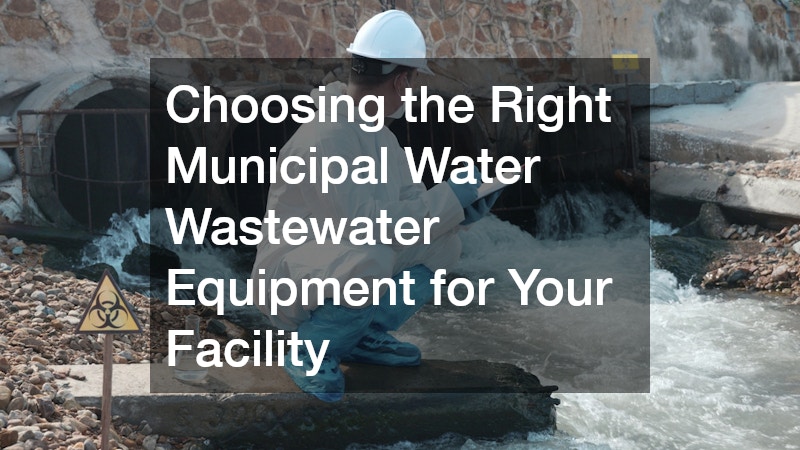
Choosing the Right Municipal Water Wastewater Equipment for Your Facility
Understanding the complexity of municipal water wastewater equipment is crucial for selecting the right tools and technology for your facility. This article provides a comprehensive guide on the essential aspects to consider when choosing equipment that meets your specific needs and regulations. Municipalities must consider a variety of factors, including environmental impact, efficiency, and compliance with local regulations.
Proper selection can lead to optimized operations, cost savings, and environmental conservation. As we explore the key elements of this decision-making process, you will be equipped with the knowledge necessary to choose the right municipal water wastewater equipment OH.
What Are the Different Types of Municipal Water Wastewater Equipment Available?
Municipal water wastewater equipment encompasses a wide range of technologies designed to treat, transport, and process wastewater. Treatment plants are the heart of a municipal wastewater facility, tasked with removing contaminants from sewage and returning clean water to the environment. Pumps play a critical role in moving wastewater through the treatment processes, with each type of pump designed to meet specific flow and head requirements. Filtration units are essential in removing solid particles, ensuring water quality standards are met before discharge or further treatment. Specialized equipment also includes sludge management systems, which process biosolid waste for disposal or reuse, integral for sustainable operations.
Each equipment type serves distinct functions and has unique technical specifications. Treatment plants are categorized into primary, secondary, and tertiary stages, each responsible for a different level of contaminant removal. Pumps vary from centrifugal to positive displacement types, chosen based on the specific flow rate and pressure needs of the facility. Filtration units can range from simple sand filters to advanced membrane filtration systems, suitable for varying levels of water purity requirements. Understanding these categories and their specific applications is essential for selecting equipment that will seamlessly integrate into your facility’s existing systems.
How to Evaluate the Efficiency of Water Wastewater Equipment?
Evaluating the efficiency of municipal water wastewater equipment involves analyzing multiple performance metrics. Energy consumption is a principal factor, as inefficiencies can significantly inflate operational costs. High-efficiency systems not only reduce energy use but often result in lower greenhouse gas emissions, aligning with sustainability goals. Evaluations should also consider the equipment’s ability to maintain consistent performance under varying load conditions. Regular performance assessments can prevent unexpected failures and improve overall system reliability.
Another aspect of efficiency evaluation is assessing the equipment’s operational lifespan. Durable and well-maintained equipment typically offers a higher return on investment, reducing the frequency of costly replacements. Maintenance schedules, ease of serviceability, and availability of spare parts are key factors that affect long-term efficiency. Many modern systems incorporate digital monitoring technologies that provide real-time feedback and assist in proactive maintenance planning. Consequently, selecting equipment with advanced monitoring capabilities can significantly enhance operational efficiency.
What Are the Key Considerations for Compliance and Regulation?
Compliance and regulation are critical considerations when selecting municipal water wastewater equipment. Regulatory frameworks, both at the state level like in Ohio and federal level, impose stringent standards to safeguard public health and the environment. Compliance with the Clean Water Act and Environmental Protection Agency (EPA) regulations is mandatory and requires continuous monitoring and reporting. Understanding these requirements ensures that the equipment not only meets performance expectations but also aligns with legal obligations. Failing to comply can result in hefty fines, legal challenges, and reputational damage.
In Ohio, local water authorities set additional guidelines and standards for wastewater treatment and discharge. These regulations often require facilities to implement specific technologies or processes that align with regional environmental priorities. Facility managers must stay informed about amendments in these regulations, as non-compliance can jeopardize operational permits. Collaborating with regulatory bodies and engaging in industry forums can provide valuable insights into upcoming legislative changes. Proactively addressing compliance issues can streamline operations and foster community trust.
Moreover, manufacturers of municipal water wastewater equipment OH should provide documentation and support that facilitates compliance with relevant regulations. Equipment with internationally recognized certifications demonstrates adherence to high standards, enhancing credibility. Additionally, regular training on regulatory best practices equips facility staff to identify and address compliance risks promptly. A culture of transparency and proactive compliance management can significantly reduce the operational risks associated with regulatory breaches. Therefore, ensuring compliance is a fundamental responsibility that necessitates ongoing diligence and commitment.
How to Properly Maintain and Service Your Equipment?
Proper maintenance and servicing of municipal water wastewater equipment are crucial to extending its lifespan and ensuring optimal performance. A comprehensive maintenance plan should include both routine inspections and preventative measures to mitigate potential issues. Regular inspections help identify wear and tear, reducing the risk of unexpected breakdowns and costly repairs. Preventative measures like lubrication, calibration, and cleaning must be scheduled based on equipment-specific guidelines. Technological advancements such as predictive maintenance tools leverage data analytics to forecast equipment failures and optimize service schedules.
Another aspect of effective maintenance is maintaining a well-trained workforce capable of executing service procedures correctly. Continuous training programs are crucial for equipping staff with the latest knowledge and skills in maintenance practices. Skilled technicians can identify early warning signs of equipment failure and take corrective actions swiftly. Furthermore, documenting all maintenance activities ensures a record of equipment condition and performance history, facilitating better decision-making. Collaboration with reputable service providers can also offer specialized expertise and support for complex maintenance tasks.
Moreover, sourcing genuine spare parts from the equipment manufacturer or authorized distributors ensures compatibility and reliability. It is advisable to maintain an inventory of critical spare parts to minimize downtime due to supply chain disruptions. Equipment warranties and service agreements can offer added security against unexpected repair costs and service needs. Regular performance assessments, including efficiency testing and condition monitoring, enable facilities to refine maintenance strategies. An integrated approach to maintenance and service enhances equipment reliability and contributes to sustainable facility operations.
What Is the Cost-Benefit Analysis of Investing in Advanced Equipment?
Investing in advanced municipal water wastewater equipment requires careful cost-benefit analysis to ensure maximum return on investment. Advanced equipment often comes with a higher upfront cost, but potential long-term savings justify this investment. Benefits such as reduced energy consumption, minimized environmental impact, and improved processing efficiency can offset initial expenses. Additionally, modern equipment usually demands lower operational and maintenance costs due to superior design and technology integrations. Conducting a detailed financial analysis helps in quantifying these benefits and substantiating investment decisions.
The analysis should also consider the operational scale and future needs of the facility. Facilities anticipating growth must opt for scalable solutions that accommodate increasing volumes and complexity of wastewater. Advanced equipment offers enhanced adaptability, allowing for operational modifications without significant capital expenditures. Moreover, by investing in cutting-edge technology, facilities can maintain a competitive edge in wastewater management, attracting potential subsidies or incentives linked to sustainable practices. The resultant improved water quality and compliance adherence further protect against regulatory penalties, contributing to financial stability.
Choosing the right municipal water wastewater equipment requires a careful balancing of technical performance, regulatory compliance, and cost considerations. By addressing the most common concerns and questions, this guide aims to assist in making informed decisions that optimize both economic and environmental outcomes for your facility. Whether it’s determining the suitability of new technologies or ensuring compliance with regulations, a strategic approach to equipment selection is essential. The alignment of operational goals with technological capabilities ensures efficient and sustainable wastewater management. Ultimately, well-considered equipment choices lay the foundation for enduring success in municipal wastewater operations.